


- Haber Akışı
- KEŞFEDIN
- Sayfalar
- Gruplar
- Bloglar
-
 Hakkında
How Quality Embroidery Files Lead to Better Stitching Results
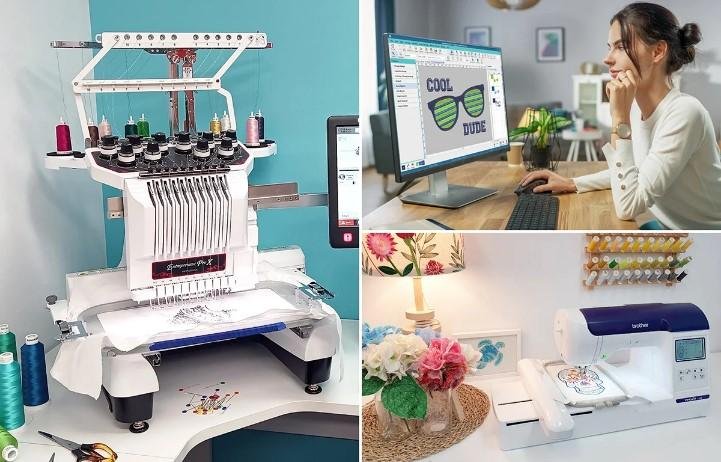
Embroidery is one of the best ways to add a professional look to apparel, uniforms, hats, bags, and promotional products. A clean embroidered design can make a brand stand out and leave a strong impression. However, great embroidery does not start with the machine. It starts with a high-quality embroidery file.
Many people focus on thread colors, fabric types, or embroidery machines. While these things matter, the quality of the embroidery file is often the most important factor. Businesses that use professional Embroidery Digitizing Services in USA often achieve better stitching results because their designs are prepared correctly from the start.
A quality embroidery file helps the machine understand exactly how the design should be stitched. It controls stitch direction, stitch type, density, and many other details. When these settings are correct, the final embroidery looks clean, sharp, and professional.
In this guide, we will explore why quality embroidery files are important and how they help create better stitching results.
What Is an Embroidery File?
An embroidery file is a digital file created for an embroidery machine. It contains instructions that tell the machine how to stitch a design.
Unlike a regular image file, an embroidery file does not simply show a picture. Instead, it contains stitch data that guides the machine through every step of the embroidery process.
What Information Does an Embroidery File Contain?
A quality embroidery file includes:
-
Stitch types
-
Stitch directions
-
Stitch density
-
Color changes
-
Underlay stitches
-
Start and stop points
-
Trim commands
Each of these details affects how the finished embroidery will look.
Why It Is Different From Artwork
Many people think a logo can be sent directly to an embroidery machine. This is not true.
Artwork files such as JPG, PNG, and PDF files must first be converted into embroidery files. This process is called digitizing.
The quality of the digitizing process directly affects the quality of the embroidery.
Why Quality Matters in Embroidery Files
Not all embroidery files are created equally.
Two files can use the same logo but produce very different results. A poorly prepared file may create thread breaks, gaps, puckering, and uneven stitching.
A quality file helps prevent these issues.
Better Stitch Accuracy
A properly created file guides the machine with precision.
Every stitch is placed in the correct position. This creates a cleaner and more professional appearance.
Sharp text and smooth shapes become easier to achieve.
Cleaner Design Details
Small details often disappear when a file is not digitized correctly.
Quality embroidery files help preserve:
-
Fine lines
-
Small text
-
Curved shapes
-
Design elements
This is especially important for logos and branded apparel.
How Quality Files Improve Stitching Results
Good embroidery depends on more than the machine itself.
The machine can only follow the instructions it receives.
Proper Stitch Density
Stitch density refers to how closely stitches are placed together.
Too many stitches can create:
-
Bulky embroidery
-
Fabric distortion
-
Thread breaks
Too few stitches can create:
-
Gaps
-
Weak coverage
-
Poor appearance
An experienced digitizer finds the right balance.
Correct Stitch Direction
The direction of stitches affects the final appearance of the design.
Proper stitch angles help:
-
Improve coverage
-
Reduce pull effects
-
Create depth
-
Add texture
Quality files use stitch directions carefully to improve results.
Strong Underlay Support
Underlay stitches are the foundation of embroidery.
They support the top stitches and help stabilize the fabric.
Without proper underlay, designs may shift or lose shape.
Good embroidery files include underlay settings based on the fabric and design.
Common Problems Caused by Poor Files
Low-quality files often create stitching problems.
These issues can increase production costs and reduce customer satisfaction.
Thread Breaks
Poor stitch settings can place too much stress on the thread.
This causes frequent thread breaks during production.
The machine must stop repeatedly, slowing down the process.
Puckering
Puckering happens when stitches pull the fabric too tightly.
This causes wrinkles around the design.
Proper digitizing helps prevent this issue.
Uneven Coverage
Poorly planned stitches can leave open spaces in the design.
This creates an incomplete or patchy appearance.
Distorted Logos
Logos must remain accurate to protect brand identity.
Bad embroidery files may stretch or distort important design elements.
The Importance of Professional Digitizing
Digitizing is both a technical skill and an art.
It requires experience and knowledge of embroidery production.
Understanding Fabric Types
Different fabrics behave differently during embroidery.
For example:
-
Polo shirts stretch
-
Caps have curved surfaces
-
Jackets have thick materials
An experienced digitizer adjusts the file based on the fabric.
Planning for Machine Performance
Professional digitizers understand how embroidery machines operate.
They create files that:
-
Run smoothly
-
Reduce machine stops
-
Improve efficiency
-
Produce consistent results
This experience leads to better embroidery quality.
How Quality Files Save Time and Money
Many businesses focus only on the cost of digitizing.
However, poor files often become more expensive over time.
Fewer Production Errors
Good files reduce mistakes during embroidery.
This means fewer rejected items and less wasted material.
Faster Machine Operation
Well-built files run more efficiently.
Machines spend less time stopping for thread breaks and adjustments.
Lower Labor Costs
Operators spend less time fixing problems.
This improves productivity and reduces labor expenses.
Consistent Results
Consistency is important for repeat orders.
Quality files help ensure every item looks the same.
This is especially important for company uniforms and branded products.
Why Businesses Depend on High-Quality Embroidery Files
Businesses invest in embroidery to strengthen their brand.
Every embroidered logo represents the company.
Professional Appearance
Customers notice quality.
Clean embroidery helps create a positive impression.
Sharp logos and smooth stitching make products look more professional.
Better Brand Recognition
A logo should look the same on every item.
Quality embroidery files help maintain consistency across:
-
Shirts
-
Hats
-
Jackets
-
Bags
-
Promotional products
Consistent branding helps customers recognize the business.
Long-Term Value
A quality embroidery file can be used for many future projects.
Businesses can reuse the file across different products without creating a new design each time.
What Makes a High-Quality Embroidery File?
Several factors separate good files from poor ones.
Accurate Stitch Placement
Every stitch should serve a purpose.
Good files avoid unnecessary stitches while maintaining coverage.
Balanced Density
The file should provide full coverage without overloading the fabric.
Clean Pathing
Pathing refers to the order in which the machine stitches the design.
Efficient pathing reduces trims, jumps, and machine stops.
Fabric Consideration
The file should match the fabric being embroidered.
Different materials require different settings.
Proper Testing
Professional digitizers test and refine files before final delivery.
This helps identify and fix potential issues.
Experience Makes a Difference
Over the years, embroidery professionals learn how different designs behave on different materials.
This experience helps them create files that deliver reliable results.
At Digitizing Buddy, experienced digitizers understand the small details that affect embroidery quality. They know how stitch density, underlay, and pathing work together to create cleaner designs.
Learning From Real Production Challenges
Many embroidery issues only appear during actual production.
Experienced digitizers have seen these challenges and know how to avoid them.
This practical knowledge improves the final result.
Choosing the Right Digitizing Partner
Not every provider offers the same level of quality.
Businesses should look for a company with proven experience and attention to detail.
Review Sample Work
Ask to see previous embroidery samples.
This helps evaluate quality and consistency.
Look for Industry Knowledge
A skilled digitizer understands:
-
Fabric behavior
-
Machine requirements
-
Stitch techniques
-
Production efficiency
Focus on Communication
A good provider takes time to understand project requirements.
They ask questions and provide guidance when needed.
Many businesses trust Digitizing Buddy because of its commitment to quality and accuracy in embroidery file preparation.
The Future of Better Embroidery Starts With Better Files
Embroidery technology continues to improve, but file quality remains the foundation of successful stitching.
Even the most advanced machine cannot fix a poorly digitized design.
High-quality embroidery files help businesses achieve:
-
Cleaner stitching
-
Better detail
-
Faster production
-
Lower costs
-
Consistent branding
Companies that invest in professional digitizing often see better results and fewer production issues.
Digitizing Buddy continues to support businesses by creating accurate and production-ready embroidery files that help brands maintain a professional image across every embroidered product.
Final Thoughts
Quality embroidery files play a major role in the success of any embroidery project. They control how the machine stitches the design and directly affect the final appearance.
A well-made file creates smooth stitching, sharp details, and consistent results. It reduces production problems and helps businesses present their brand professionally.
Whether you are producing uniforms, promotional items, corporate apparel, or custom products, investing in quality embroidery files is one of the smartest decisions you can make. Better files lead to better stitching, and better stitching helps your brand stand out.
