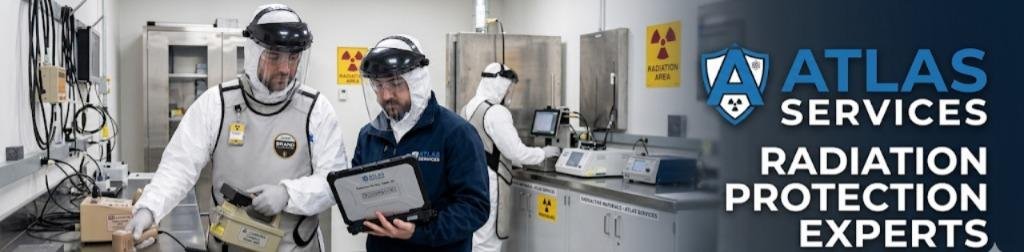
As industries become more digital and interconnected, businesses are looking for smarter ways to manage safety, compliance, and operational efficiency. In environments where radiation is part of daily operations—such as healthcare, manufacturing, energy, and research—traditional standalone safety systems are no longer enough.
Modern organizations are now building a connected safety ecosystem—an integrated radiation protection framework where technology, data, and operational processes work together in real time.
Why Traditional Safety Systems Create Limitations
Many organizations still rely on disconnected radiation protection systems. Monitoring tools, compliance records, and operational processes often function separately, creating challenges such as:
- Delayed access to critical safety data
- Inefficient communication between teams
- Slower response times during incidents
- Difficulty scaling operations efficiently
These limitations can impact both safety performance and business productivity.
What Is a Connected Safety Ecosystem?
A connected safety ecosystem integrates all aspects of radiation protection into a unified system. Instead of isolated tools and manual processes, organizations gain centralized visibility and smarter control.
Key components include:
- Real-Time Monitoring Networks
Continuous radiation tracking across multiple locations and systems
- Centralized Data Platforms
Instant access to safety insights, reports, and analytics
- Automated Compliance Workflows
Streamlined reporting and audit preparation
- Integrated Operational Processes
Safety aligned directly with day-to-day business activities
- Predictive Analytics and Alerts
Early detection of risks before they impact operations
Atlas Services: Building Smarter Safety Systems
Atlas Services helps organizations create connected radiation protection ecosystems that improve both safety and operational performance. With a team of experienced radiation protection experts, they provide:
- Advanced integrated monitoring technologies
- Customized safety frameworks for different industries
- Full compliance management support
- Continuous optimization and system improvement
Their approach ensures that all parts of the safety system work together seamlessly.
\The Business Benefits of Connected Safety
Organizations that implement a connected safety ecosystem gain:
- Faster Decision-Making – Real-time access to critical data
- Improved Efficiency – Reduced manual work and streamlined workflows
- Enhanced Risk Management – Proactive identification and prevention of issues
- Scalable Operations – Systems designed to grow with the business
- Stronger Compliance – Accurate, centralized reporting and documentation
This creates a safer, smarter, and more resilient operational environment.
How to Build a Connected Radiation Protection System
- Assess Existing Safety Infrastructure
Identify disconnected processes and technology gaps
- Implement Integrated Monitoring Solutions
Connect systems through centralized platforms
- Automate Reporting and Compliance
Reduce manual effort and improve accuracy
- Align Safety with Operational Workflows
Ensure seamless communication across departments
- Continuously Optimize Using Data
Use analytics to improve performance over time
Final Thoughts
Radiation protection is evolving into a connected, intelligent ecosystem that supports safety, compliance, and operational excellence. Businesses that integrate their safety systems gain greater visibility, stronger control, and improved efficiency.
With the expertise of Atlas Services, organizations can build a connected radiation protection ecosystem that keeps operations safe, compliant, and prepared for the future.
Website = https://www.atlaservices.it/en/


 Hakkında